
How to Extend the Life of Your Vehicle Through Preventative Maintenance
Keeping your vehicle running smoothly is essential for maximizing its lifespan and maintaining its performance. Many drivers rely heavily on their vehicles for daily commutes, errands, and long-distance travel, making reliability a top priority. Preventative maintenance plays a crucial role in reducing the need for auto repair and ensuring your car or truck remains dependable for years to come. While unexpected breakdowns can still occur, consistent maintenance habits significantly reduce costly disruptions and extend the overall life of your vehicle.
The automotive service industry continues to grow because drivers recognize the value of maintaining their vehicles properly. According to IBISWorld, there are roughly 303,000 auto repair businesses operating in the U.S., highlighting the widespread demand for maintenance and repair services. Understanding how preventative care reduces the likelihood of major auto repair issues can help vehicle owners make informed decisions and protect their investment. This article explores essential maintenance practices and answers common questions drivers have about keeping their vehicles in peak condition.
What Are The Basics Of Vehicle Maintenance?
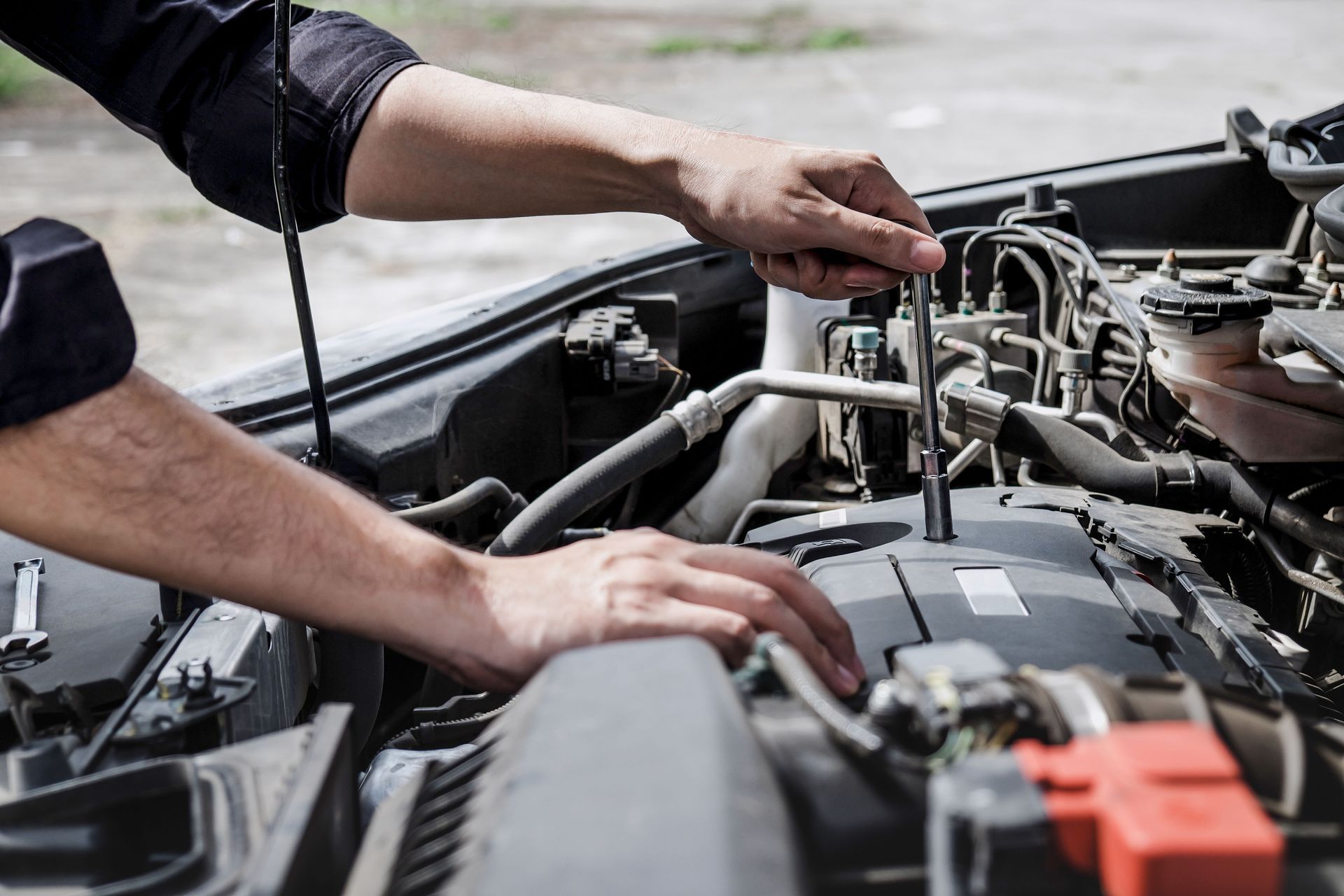
Vehicle maintenance involves a combination of routine inspections, part replacements, and performance monitoring that keeps every system functioning efficiently. At its core, preventative maintenance focuses on addressing small concerns before they develop into significant mechanical failures that require extensive auto repair services.
One of the most fundamental aspects of vehicle maintenance is regular oil changes. Engine oil lubricates internal components, reduces friction, and prevents overheating. Over time, oil breaks down and accumulates debris, which can cause engine wear if not replaced regularly. Monitoring tire pressure and rotating tires is another essential step, as proper tire maintenance improves fuel efficiency, enhances handling, and prevents uneven wear.
Brake system inspections are also a key part of maintaining vehicle safety. Worn brake pads or damaged rotors can lead to dangerous driving conditions and expensive auto repair if left unaddressed. Battery testing, air filter replacement, and spark plug inspections further contribute to maintaining optimal engine performance and fuel efficiency.
By following manufacturer-recommended maintenance schedules, drivers can ensure that each system operates as intended. Preventative maintenance not only preserves performance but also helps maintain resale value, making it a worthwhile investment for any vehicle owner.
When Should I Schedule Regular Maintenance Checks?
Determining the right time to schedule maintenance checks depends on several factors, including vehicle age, driving habits, and manufacturer guidelines. Most modern vehicles include service reminders that notify drivers when routine maintenance is due, which simplifies the scheduling process and helps prevent overlooked service needs.
Generally, we recommend oil changes every 3,000 to 7,500 miles, depending on the type of oil used and driving conditions. Tire rotations often coincide with oil changes to ensure even tread wear and maximize tire lifespan. Regular inspections of belts, hoses, and braking components typically occur every 15,000 to 30,000 miles, although this may vary based on manufacturer recommendations.
Drivers who frequently travel in stop-and-go traffic, extreme temperatures, or dusty environments may require more frequent maintenance to avoid unexpected auto repair complications. Long-distance commuters should also prioritize regular inspections, as increased mileage places additional strain on vehicle systems.
Scheduling seasonal maintenance checks can further reduce the risk of sudden breakdowns. Preparing your vehicle for winter or summer driving conditions helps identify potential issues before weather extremes exacerbate them. Consistent maintenance appointments not only minimize the likelihood of emergency auto repair but also provide peace of mind during daily driving.
What Auto Repair Issues Can Preventive Maintenance Help Avoid?
Preventative maintenance is designed to catch minor problems early, preventing them from escalating into serious mechanical failures. One of the most common auto repair concerns that routine maintenance helps avoid is engine overheating. Cooling system inspections ensure that radiators, thermostats, and coolant levels remain within safe operating ranges, preventing severe engine damage.
Transmission problems are another costly issue that can often be prevented through routine fluid replacement and system inspections. Transmission fluid lubricates internal components and facilitates smooth gear shifting. When fluid levels drop or become contaminated, transmission performance can decline rapidly, leading to extensive auto repair requirements.
Brake system failure is another major concern that preventative maintenance addresses. Replacing worn brake pads before they damage rotors helps avoid expensive repairs and ensures safe stopping performance. Similarly, maintaining proper alignment and suspension components helps prevent uneven tire wear and steering instability.
Electrical system failures, including battery and alternator issues, can also be minimized through routine testing and inspection. Addressing these components early reduces the likelihood of unexpected vehicle shutdowns. Preventative maintenance consistently reduces the chances of emergency auto repair by identifying warning signs before they evolve into serious mechanical failures.
How Do I Know Which Fluids Need Regular Replacement?
Vehicle fluids play a critical role in maintaining system performance, lubrication, and temperature control. Each fluid serves a specific function, and monitoring their condition helps prevent mechanical damage and unnecessary auto repair services.
Engine oil is one of the most frequently replaced fluids because it protects internal engine components from friction and heat. Checking oil levels regularly and replacing the oil filter during service appointments helps maintain engine efficiency and prolongs component lifespan.
Coolant, also known as antifreeze, regulates engine temperature and prevents freezing in colder climates. Over time, coolant can lose effectiveness or become contaminated, increasing the risk of overheating and engine damage. Regular coolant flushes help maintain proper temperature control and prevent significant auto repair expenses.
Brake fluid is another essential component that requires periodic replacement. This hydraulic fluid transfers force from the brake pedal to braking components. Moisture contamination can reduce braking efficiency and compromise safety, making routine brake fluid inspections critical.
Transmission fluid, power steering fluid, and differential fluid also contribute to smooth vehicle operation. Each fluid supports mechanical movement and reduces wear within specialized systems. Consulting your owner’s manual or maintenance schedule helps determine replacement intervals, ensuring each system receives proper care and reducing the likelihood of major auto repair complications.
What Parts Of My Vehicle Require Periodic Inspection?
Several vehicle components require regular inspection to maintain performance and safety. Belts and hoses are particularly important because they support engine timing, cooling, and accessory operation. Over time, rubber components can crack or weaken, leading to system failure if not replaced proactively.
Brake components, including pads, rotors, and calipers, must be inspected regularly to ensure consistent stopping power. Ignoring brake wear can result in extensive auto repair and create dangerous driving conditions. Suspension components such as shocks and struts also require periodic evaluation to maintain ride comfort and vehicle stability.
Tires deserve consistent attention because they directly affect handling, fuel efficiency, and safety. Inspecting tread depth, alignment, and inflation levels helps maximize tire lifespan and improve overall driving performance. Uneven tire wear often indicates alignment or suspension issues that may lead to additional auto repair if left unresolved.
Air filters, both engine and cabin, should also be replaced periodically. Engine air filters prevent debris from entering combustion chambers, while cabin filters improve interior air quality and HVAC performance. Monitoring these components ensures efficient airflow and reduces strain on engine systems.
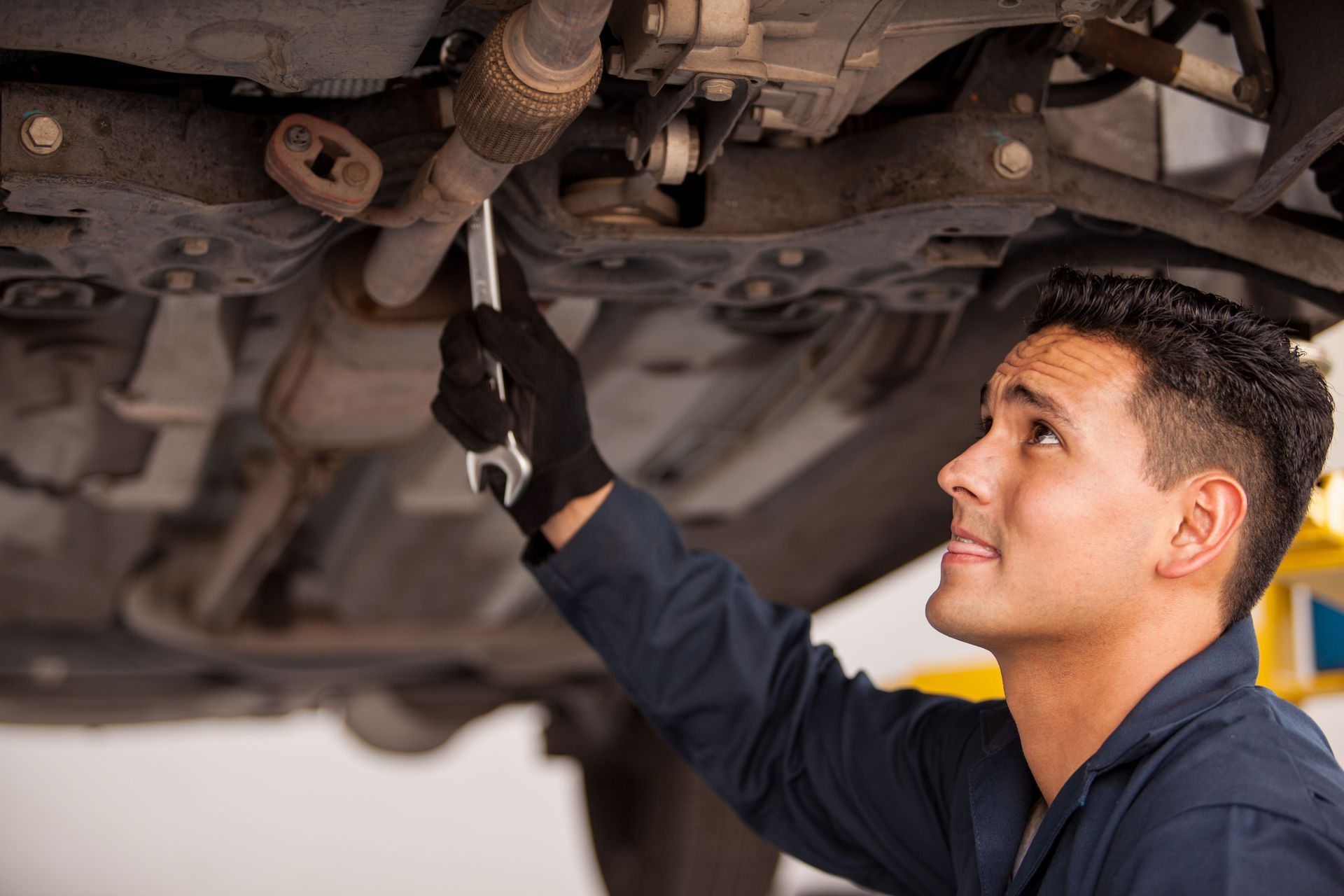
Lighting systems, windshield wipers, and exhaust components should not be overlooked during inspections. Each part contributes to safe vehicle operation and regulatory compliance. Regular inspections allow technicians to identify potential auto repair concerns before they become serious mechanical or safety hazards.
Preventative maintenance is one of the most effective strategies for extending the life of your vehicle and avoiding costly breakdowns. By following recommended service schedules, monitoring fluid levels, and inspecting key components, drivers can significantly reduce the likelihood of unexpected auto repair needs. Consistent maintenance not only improves performance and reliability but also enhances safety and fuel efficiency. Investing time and attention into preventative care ensures your vehicle remains dependable, protecting both your investment and your driving experience for years to come. If you want to keep your vehicle running reliably, reach out to the professionals at Nicholls Performance Transmissions today!








Share On: