
Basic Maintenance Items that Vehicle Owners Often Neglect
Owning a vehicle brings a tremendous amount of freedom and convenience, but it also comes with a significant level of responsibility. Every time you turn the key and hit the road, various components within your machine work together seamlessly to get you to your destination safely. However, the steady wear and tear of daily commutes and long road trips take a toll on these complex systems. While most drivers remember to handle the prominent needs, like filling the gas tank, many other critical tasks fall by the wayside. Overlooking these vital steps can lead to decreased performance, frustrating breakdowns, and an increased need for unexpected auto repair down the line. Maintaining a strict schedule for these essential tasks ensures that your ride remains reliable, efficient, and safe for all passengers. By understanding the common areas that drivers tend to overlook, you can take proactive steps to extend the lifespan of your vehicle and enjoy a smoother driving experience.
Changing the Cabin and Engine Filters
Your vehicle relies on a constant flow of clean air to function properly and keep the interior comfortable. The engine air filter prevents dust, dirt, and debris from entering the engine cylinders, ensuring optimal combustion and performance. When this filter becomes clogged, the engine must work harder to pull in air, which reduces efficiency and places unnecessary strain on internal components. Failing to address a dirty air filter can eventually cause rough idling and acceleration issues, ultimately leading to a visit to an auto repair shop. Similarly, the cabin air filter cleans the air entering the passenger compartment through the heating and air conditioning vents. Over time, this filter traps pollen, dust, and exhaust pollutants, gradually losing its effectiveness. When owners neglect to swap out a dirty cabin filter, the climate control system struggles to push air through the clogged material, causing poor airflow and lingering odors. Swapping these filters out regularly promotes a healthier environment inside the cabin and protects the engine from harmful contaminants.
Inspecting the Brake Pads and Rotors
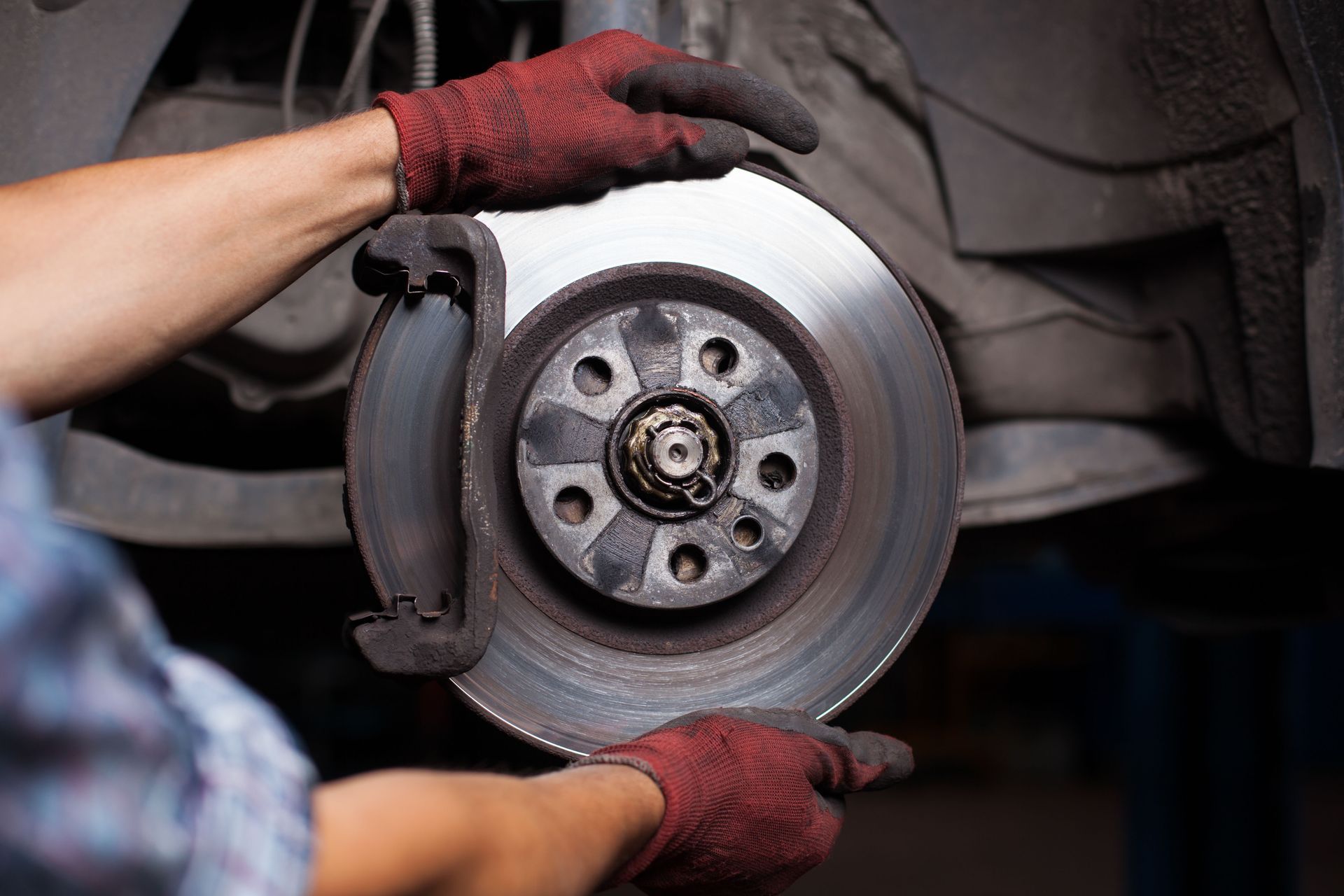
The braking system stands out as the most critical safety feature on any vehicle, yet its maintenance is frequently delayed until glaring issues arise. Brake pads naturally wear down with every stop, generating friction against the rotors to slow the wheels. Many drivers ignore the subtle signs of wear, such as a slight decrease in responsiveness or a soft pedal feel, waiting instead until they hear a loud squealing or grinding noise. By the time these severe acoustic warnings occur, the brake pads have often worn completely away, causing the bare metal to gouge the rotors. This severe damage transforms a simple maintenance task into an extensive and complex auto repair project. Addressing brake wear early protects the integrity of the rotors and ensures that the vehicle can stop reliably in emergency situations. Regular visual inspections and paying close attention to changes in braking performance are essential habits for any responsible driver.
Rotating the Tires and Checking Tread
Tires serve as the sole point of contact between your vehicle and the road, making their upkeep absolutely crucial for safety and handling. Due to the weight distribution of the engine and the mechanics of steering, front and rear tires wear at completely different rates. If left in the same position for too long, the tread will wear unevenly, leading to a bumpy ride, compromised traction, and a shorter overall lifespan for the tires. Regular rotation mitigates this uneven wear, balancing out the stress and ensuring a smoother, more predictable driving experience. Furthermore, neglecting tire rotations often conceals deeper alignment or suspension issues that might otherwise require professional auto repair intervention. In addition to rotation, monitoring the depth of the tread is vital for maintaining grip during wet or slippery conditions. Bald tires drastically increase the risk of hydroplaning and loss of control, putting all motorists on the road in danger.
Flushing the Cooling System and Radiator
The engine generates an immense amount of heat during combustion, relying entirely on the cooling system to prevent catastrophic overheating. Coolant, or antifreeze, circulates through the engine block and radiator, absorbing and dissipating the extreme temperatures. Over time, this fluid breaks down, losing its anti-corrosive properties and accumulating rust, scale, and other harmful debris. When drivers ignore the condition of their coolant, the fluid becomes acidic and slowly eats away at the internal components, leading to leaks, failed water pumps, and blocked radiator passages. According to Kelley Blue Book, after 60,000 miles, you should have your vehicle's cooling system flushed. Performing this vital service removes the old, degraded fluid and clears out any accumulated sludge before adding fresh coolant to protect the engine. Neglecting this straightforward fluid exchange significantly raises the risk of severe overheating, which can warp engine blocks or blow head gaskets, resulting in a devastatingly intensive auto repair bill.
Maintaining the Transmission Fluid Quality
The transmission serves as the complex bridge that transfers power from the engine to the wheels, utilizing gears and a specialized fluid to operate smoothly. Much like engine oil, transmission fluid lubricates moving parts, provides hydraulic pressure, and helps manage heat within the system. As the miles accumulate, this fluid suffers from thermal breakdown and gathers tiny metal shavings from the friction of shifting gears. Many vehicle owners completely forget about this vital fluid, assuming it lasts forever without any intervention. However, operating a vehicle with degraded transmission fluid leads to harsh shifting, slipping gears, and increased wear on the delicate internal clutches. Eventually, the lack of proper lubrication causes the entire unit to fail, requiring a complete rebuild or replacement, which is arguably the most dreaded auto repair scenario. Proactively monitoring the color and consistency of this fluid helps catch potential problems early, preserving the intricate mechanics.
Replacing the Windshield Wiper Blades
While they may seem like trivial accessories compared to complex engine parts, windshield wiper blades play a massive role in overall driving safety. Visibility is paramount, and a clear field of view allows drivers to react to hazards, read signs, and navigate safely through adverse weather. Rubber wiper blades endure constant exposure to harsh sunlight, extreme temperature fluctuations, and abrasive dirt, causing them to crack, tear, and lose their flexibility. When owners neglect to swap out old blades, the deteriorated rubber streaks water across the glass, creates annoying chattering sounds, and severely limits visibility during rainstorms or snowfall. Operating a vehicle with a compromised line of sight drastically increases the likelihood of a collision, potentially leading to bodily harm and the need for major auto repair work. Swapping out worn blades takes only a brief moment but makes an incredible difference in clarity and safety.
Taking care of a vehicle involves much more than simply adding fuel and hitting the accelerator. Recognizing and addressing these frequently overlooked maintenance items preserves the health of your machine, enhances your safety, and protects your wallet from severe damage. Proactive care ensures that every journey remains smooth and that your transportation remains a dependable asset rather than a constant source of stress. True peace of mind comes from knowing that every intricate system operating beneath the hood receives the attention it desperately needs to function flawlessly. If you are ready to prioritize the health of your vehicle and ensure it stays on the road for the long haul, contact us at Nicholls Performance Transmissions today. We will help you establish a comprehensive maintenance routine and keep your ride performing at its absolute best.









Share On: