
Squeak, Shake, or Grind: Diagnosing Weird Noises When You Step on the Brakes
There is nothing quite as unsettling as cruising down the highway, enjoying your favorite playlist, and suddenly hearing a horrifying noise the moment you press the brake pedal. Brakes are the most critical safety feature of your vehicle, yet many drivers tend to ignore the subtle warning signs that indicate trouble is brewing within their wheel wells. According to CARFAX, approximately 41% of automobiles across the nation are currently lagging behind on essential maintenance requirements. Ignoring these auditory clues can eventually lead to highly expensive car repairs that completely disrupt your monthly budget.
Understanding what these specific sounds mean is the very first step toward addressing potential mechanical failures before they escalate into dangerous on-road situations. By paying close attention to these acoustic alarms, you can protect your passengers and preserve the longevity of your daily commuter vehicle.
Identifying High-Pitched Squeaks and Squeals
The most common auditory complaint drivers report is a persistent, high-pitched squeal that pierces through the cabin. In most modern vehicles, this sound is actually an intentional warning mechanism engineered directly into the brake pad itself to alert you of thinning friction material. A small metal protrusion called a wear indicator rubs against the steel rotor when the pad reaches a critically low level, emitting that unmistakable squeaking noise. Addressing this early warning sign immediately is the best way to avoid substantial car repairs that involve completely replacing damaged rotors or seized calipers.
Sometimes, however, a squealing brake pedal does not necessarily mean your brake pads are entirely worn out and desperately begging for replacement. Environmental factors like morning dew or accumulated road dust can create a temporary glaze that produces a brief squeak during your first stops of the day. If the annoying sound completely disappears after the brakes warm up, you are likely just experiencing the harmless effects of surface rust or minor debris. On the other hand, if the squeal remains constant throughout your entire daily commute, you must schedule diagnostic car repairs to ensure your braking system is operating safely.
Experiencing Aggressive Shakes and Vibrations
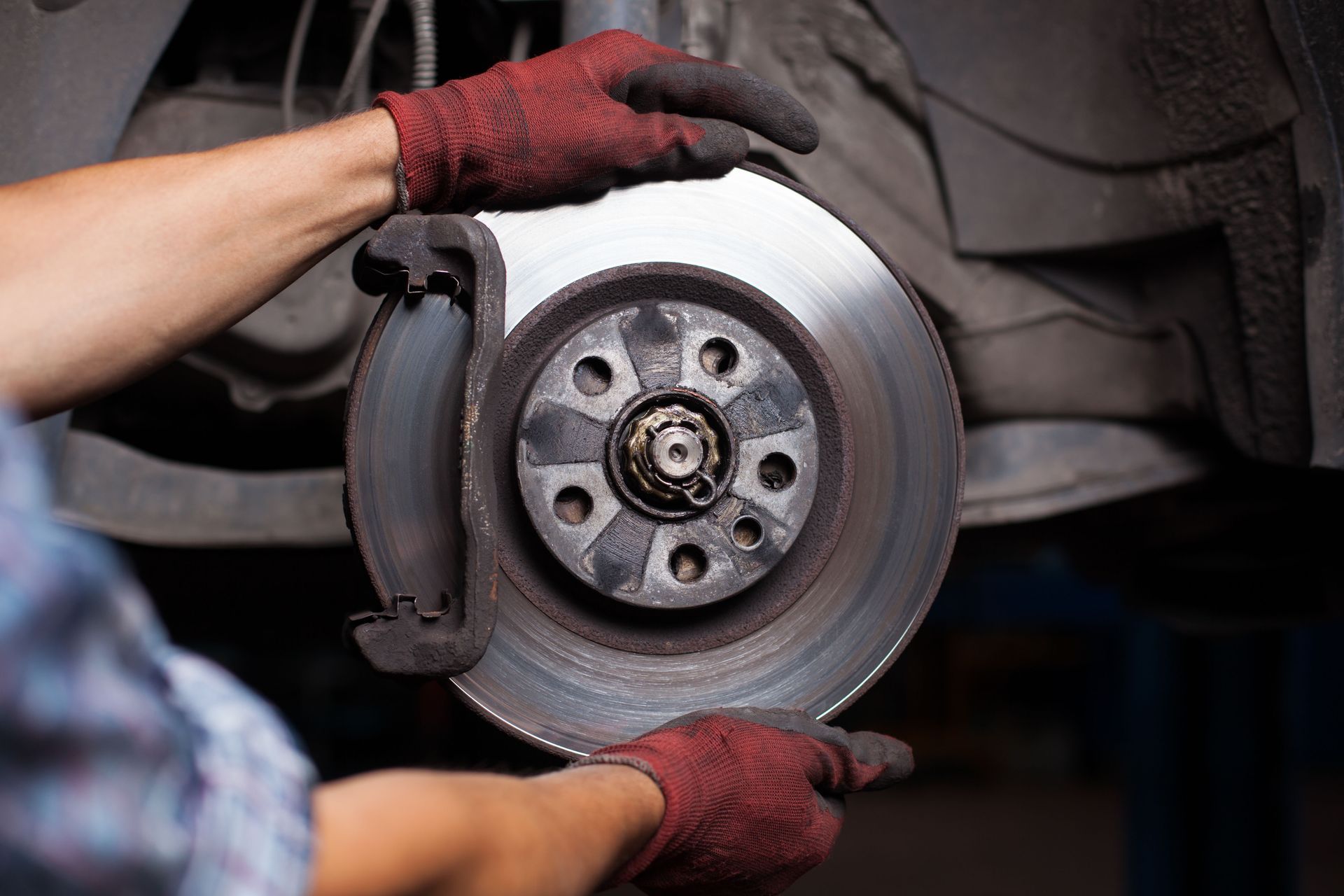
When you step firmly on the brake pedal and feel a violent shaking sensation traveling through the steering wheel, you are dealing with a totally different mechanical beast. This frightening pulsation is almost always the direct result of warped brake rotors, which are the large metal discs that your brake pads clamp down onto. Over time, the intense heat generated by heavy braking down steep hills or in stop-and-go traffic can cause these naturally flat discs to warp and become uneven. Consequently, as the brake pads attempt to squeeze an uneven surface, the resulting inconsistency translates into intense vibrations that ultimately necessitate professional car repairs.
Leaving warped rotors unaddressed will exponentially increase your stopping distance, which fundamentally compromises your ability to avoid sudden obstacles in the roadway. Furthermore, this intense juddering sensation places an immense amount of undue stress on your vehicle's delicate suspension components and steering linkages. Mechanics can often rectify minor rotor warping through a specialized machining process called turning, which shaves off a microscopic layer of metal to restore a perfectly flat surface. If the rotors are too thin to be legally or safely machined, you will have to authorize immediate car repairs to replace the compromised discs completely.
It is vital to recognize that violent shaking while braking is never a symptom that will simply resolve itself over time or with continued driving. Continuing to operate a severely pulsating vehicle will rapidly accelerate the degradation of your entire front-end assembly, costing you significantly more money down the road. Seeking out an expert inspection at the very first sign of steering wheel shimmy is your best defense against catastrophic automotive failures.
Investigating Deep Grinds and Harsh Scraping
Of all the unsettling noises a braking system can produce, a deep grinding noise is undeniably the most serious to hear. This horrifying sound essentially means that the protective friction material on your brake pads has been entirely obliterated, leaving only the bare metal backing plate. You are currently experiencing a severe metal-on-metal collision every single time you attempt to bring your heavy vehicle to a halt at a stoplight. At this critical juncture, avoiding immediate car repairs is impossible because your stopping power is severely diminished and your safety is actively jeopardized down to a dangerous degree.
The severe damage inflicted by grinding brakes goes far beyond merely needing a fresh set of affordable replacement pads. Because the raw metal backing plate is forcefully gouging deep trenches into your expensive rotors, the discs are being destroyed with every single rotation of the wheel. Driving even a few short miles with grinding brakes will guarantee that your brake rotors will need to be thrown directly into the scrap pile.
If you ever hear this aggressive grinding noise, you should safely pull over to the side of the road and consider having the vehicle towed directly to a shop. Pushing your luck by limping a heavily damaged vehicle through heavy traffic poses an unacceptable risk to yourself and the innocent motorists sharing the highway. A trained automotive professional can properly assess the full extent of the metallic carnage and restore your vehicle's stopping capabilities to factory standards.
Recognizing Other Unusual Braking Symptoms
While squeaks, shakes, and grinds represent the holy trinity of brake-related complaints, there are other subtle warning signs that mandate your immediate attention. A brake pedal that feels unnaturally soft or slowly sinks all the way to the floorboard generally indicates a dangerous loss of hydraulic brake fluid pressure. This mushy pedal feel could be caused by a perilous leak in the brake lines or by microscopic air bubbles becoming trapped within the closed hydraulic system. Experiencing a completely unresponsive brake pedal is a terrifying ordeal that absolutely requires complex car repairs performed by experienced automotive technicians.
Alternatively, a brake pedal that feels exceptionally hard and requires intense leg strength to depress points to a failure within the brake booster. The booster utilizes the natural vacuum pressure created by your engine to multiply the physical force you apply to the pedal with your foot. When a vacuum hose cracks or the booster's internal diaphragm ruptures, you suddenly lose that critical power assistance, making the vehicle incredibly difficult to stop. Promptly diagnosing these intricate pneumatic and hydraulic malfunctions will guarantee that you retain total command over your heavy steel machine in emergency situations.
Furthermore, if your vehicle violently pulls to one side when you brake, you might be dealing with a seized brake caliper or an unevenly distributed fluid flow. This unpredictable pulling sensation makes navigating narrow lanes exceptionally dangerous, particularly during inclement weather conditions when traction is already severely compromised. Identifying and resolving these underlying alignment or caliper issues is an essential aspect of responsible automotive ownership and proactive maintenance.
Your vehicle relies entirely on its complex braking system to keep you and your passengers safe from catastrophic collisions. By actively listening for those early warning squeaks, aggressive shakes, and terrifying grinds, you can successfully intercept mechanical failures long before they become unmanageable. Always remember that putting off routine brake maintenance will inevitably result in shockingly expensive
car repairs that could have been completely avoided with early intervention. Taking the time to understand your vehicle's unique auditory language is ultimately an investment in your ongoing personal safety and financial stability.
When you are finally ready to stop worrying about those strange noises and ensure your vehicle is safe, Nicholls Performance Transmissions is here to help you get back on the road. Our dedicated team will treat your beloved vehicle with the utmost respect and meticulous attention to detail. Reach out to us today to schedule your comprehensive brake inspection, and let us restore your peace of mind behind the wheel.












Share On: