
Signs Your Transmission Is Failing
The transmission is a vital component of any vehicle, responsible for transferring power from the engine to the wheels. Knowing the signs of a failing transmission can save you from expensive repairs and dangerous driving conditions. This article will explore the various indicators that your transmission might be failing and provide you with vital information to take timely action. Paying attention to early warning signs can help drivers address small issues before they escalate into serious mechanical problems. Regular inspections and maintenance also play an important role in extending the life of your vehicle's transmission system.
Unusual Noises
Unusual noises coming from your vehicle can be one of the first signs of transmission trouble. A grinding sound often indicates that gears are not shifting smoothly, suggesting problems within the transmission system. Such sounds may vary depending on the type of gearbox; manual transmissions may reveal more pronounced grinding compared to automatic ones.
Whining noises while in gear, especially when accelerating, can also suggest transmission issues. This can be attributed to a worn-out clutch or problems with the torque converter. Regular maintenance and fluid checks can help mitigate these issues.
Banging and clunking noises are particularly concerning, as they often indicate severe transmission issues or potential failures. Such sounds can result from broken or damaged parts such as gears or bearings. Addressing these issues promptly by consulting a professional is vital. In many cases, early diagnosis can allow a technician to perform targeted transmission repair before more extensive internal damage occurs. Drivers who respond quickly to these sounds often avoid larger and more expensive mechanical failures.
Fluid Leaks
Transmission fluid plays a crucial role in maintaining the health of a vehicle's transmission system. It lubricates moving parts, prevents overheating, and keeps the system running smoothly. Recognizing and addressing fluid leaks is essential to avoid transmission damage.
Identifying transmission fluid leaks involves checking for a reddish-brown liquid under your vehicle. Common causes of fluid leaks include damaged seals, faulty gaskets, or cracked transmission hoses. Regularly inspecting these components can prevent leaks from causing major issues.
According to AAA Club Alliance, most cars need a transmission fluid change after 30,000 and 60,000 miles of driving. Keeping up with fluid changes can prolong transmission life and enhance vehicle performance. If you notice fluid leaks, it's important to consult a professional to diagnose and resolve the issue efficiently. Prompt transmission repair can stop leaks from worsening and help preserve the internal components of the system. Consistent fluid maintenance also helps regulate temperature and maintain proper hydraulic pressure within the transmission.
Problematic Gear Shifting
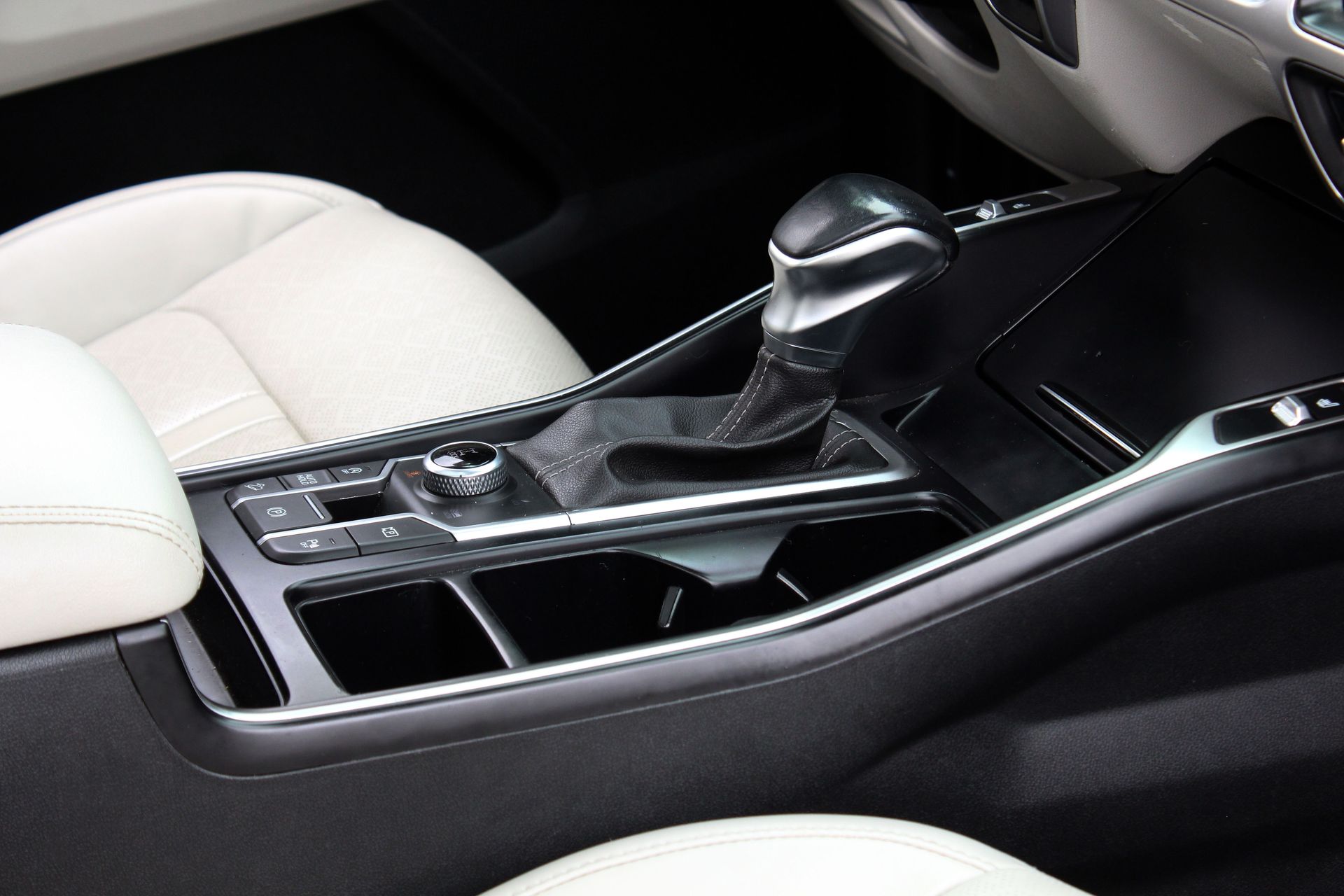
Difficulty getting into gear is a clear sign of transmission issues that should not be ignored. This problem can be caused by low transmission fluid levels, worn-out gear synchronizers, or a faulty clutch. Ensuring that your fluid levels are adequate and in good condition is a crucial step in addressing this issue.
Slipping gears occur when your vehicle unexpectedly changes gears without input from you. This can lead to unsafe driving conditions and should be addressed immediately. Common causes include worn-out friction materials or a malfunctioning solenoid pack.
Delayed engagement when shifting from park to drive or reverse is another indicator of potential transmission problems. It suggests that the transmission may not be communicating efficiently with the engine. Addressing these issues early can prevent more severe transmission damage and enhance driving safety. A qualified mechanic can evaluate the system and determine whether transmission repair is necessary to restore smooth and reliable gear changes. Routine inspections can also identify worn components before they cause more noticeable shifting problems.
Dashboard Warning Lights
The transmission warning light, if illuminated, often indicates that the vehicle's computer system has detected an issue. These lights are valuable tools for early detection of transmission problems, allowing for timely intervention. Ignoring these warnings can lead to costly repairs and potential safety risks.
The check engine light can also illuminate due to transmission-related issues. While it may seem unrelated, the check engine light can indicate problems such as transmission fluid temperature or sensor errors. Understanding these codes and their implications is essential for determining the necessary corrective actions.
Understanding OBD-II codes can provide valuable insights into the exact nature of transmission issues. A professional mechanic can interpret these codes and provide guidance on the necessary repairs. Seeking professional diagnosis upon seeing warning lights can prevent further damage and maintain your vehicle's health. In many situations, early transmission repair based on diagnostic codes can resolve problems before they escalate into major mechanical failures. Modern diagnostic tools make it easier than ever for technicians to pinpoint the exact source of transmission concerns.
Unusual Vibrations
Experiencing unusual vibrations while driving can suggest a malfunction within the transmission system. These vibrations may be more noticeable at higher speeds and can affect vehicle stability. Identifying the source of these vibrations is essential for diagnosing any underlying transmission issues.
Shaking or shuddering during acceleration is another indicator of transmission problems. This can be attributed to issues with the torque converter or drive shaft. Addressing these issues promptly can prevent further damage and maintain a smooth driving experience.
The role of mounts and joints in your vehicle's transmission system cannot be overstated. These components help secure the transmission in place and minimize vibrations. Regular inspection and maintenance of these parts are crucial for preventing excessive vibrations and ensuring the longevity of the transmission system. When vibrations become persistent, professional transmission repair may be required to restore proper alignment and function. Resolving vibration issues early can also improve driving comfort and reduce strain on other drivetrain components.
Poor Vehicle Performance
Poor vehicle performance is a telltale sign of transmission issues that can affect your driving experience. A loss of power or difficulty maintaining speed can indicate slipping gears or a failing clutch. Addressing these issues early can prevent further deterioration of your vehicle's performance.
Struggling to gain speed or experiencing slow acceleration are clear indicators of potential transmission problems. These issues can arise due to a malfunctioning transmission control module or slipping transmission bands. Addressing these problems can improve the overall power efficiency of your vehicle.
Reduced fuel efficiency is another consequence of transmission problems. A faulty transmission may cause the engine to work harder to achieve the desired speed, leading to increased fuel consumption. Understanding the impact of transmission type on performance can guide you in taking appropriate action to address these issues. In many cases, timely transmission repair can restore proper power transfer and help improve both acceleration and fuel economy.
Recognizing the signs of a failing transmission is crucial for maintaining vehicle safety and performance. By understanding these indicators, you can take proactive steps to address potential issues early, ensuring your vehicle runs smoothly and avoiding costly repairs. Routine maintenance, fluid checks, and professional inspections all play an important role in protecting this critical system. If you suspect your transmission is failing, consult a professional mechanic to diagnose and resolve any underlying issues promptly. For reliable service and expert guidance, contact Nicholls Performance Transmissions today to schedule an inspection and ensure your vehicle receives the
transmission repair it needs to stay on the road safely. Acting quickly can often prevent minor problems from turning into major mechanical failures.
Professional technicians have the tools and experience needed to identify hidden transmission issues. Regular service appointments also provide peace of mind for drivers who rely on their vehicles every day. Investing in preventative maintenance can extend the lifespan of your transmission and improve overall vehicle reliability. Taking action early helps keep your vehicle performing safely and efficiently for years to come.








Share On: